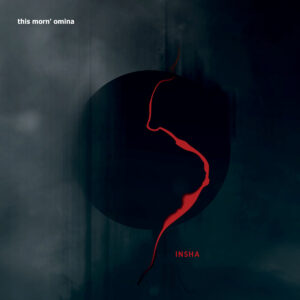
This Morn Omina
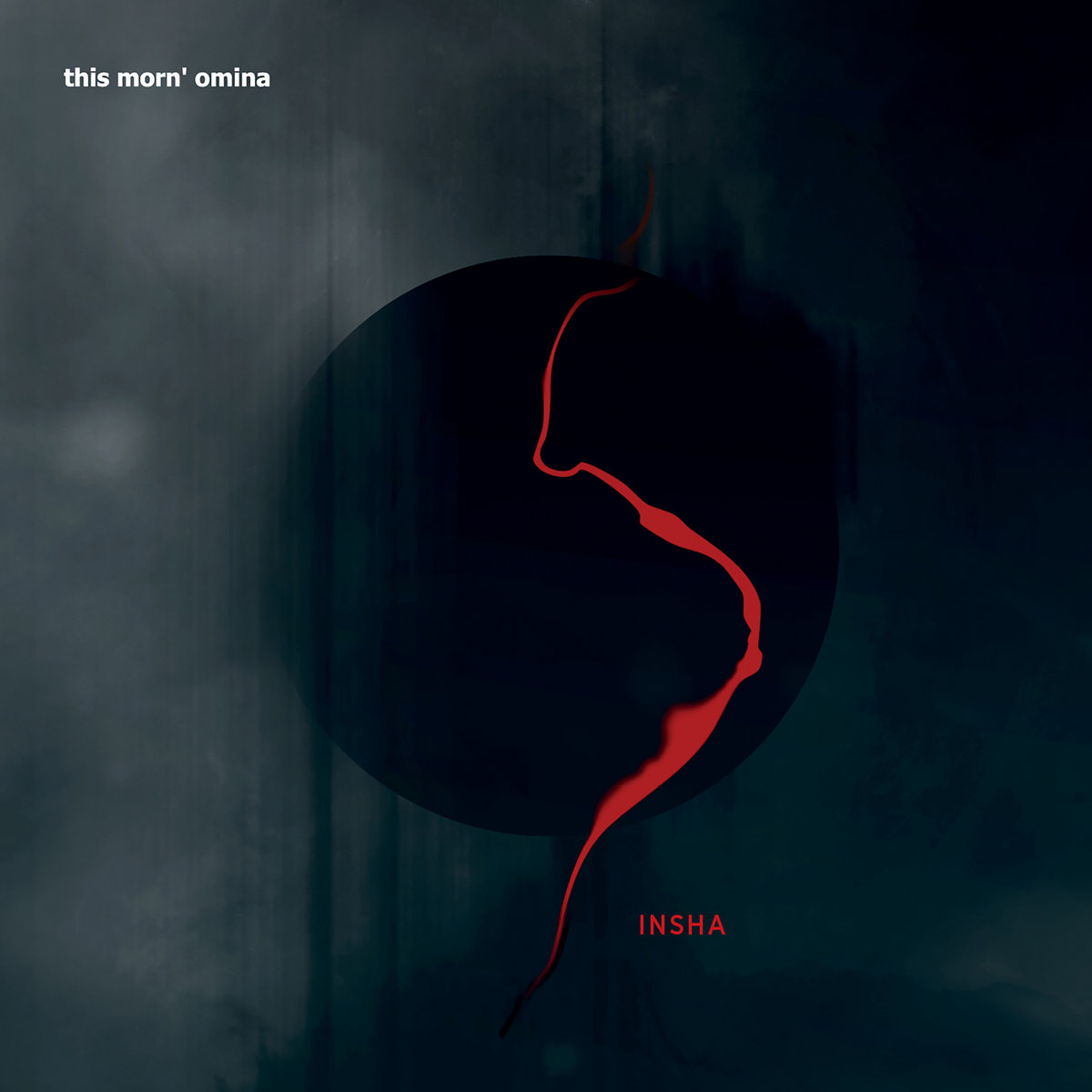
Insha
Cyclic Law
Seeing that This Morn Omina has a release out on dark ambient label Cyclic Law might give folks familiar with the long-running tribal industrial project pause. While there’s certainly a lot of common ground between TMO’s brand of beat-driven ritual industrial and the textured dark ambience synonymous with the label, Mika Goedrijk’s work (at least since the turn of the millennium) has favoured more defined structures and rhythms, even in the band’s less club-ready recordings. With that said, Insha finds drone act Nam-Khar’s Konchong-Gyaltsen joining Goedrijk as a collaborator, and perhaps as a result the actual sound of the album is as close to dark ambience as This Morn Omina has sounded in recent memory, without entirely abandoning the project’s distinctive drums in the process.
Interesting, Insha might be one of the most varied albums This Morn Omina has ever released in terms of the structure and style of its songs. A cut like like “Mañjuśrī” sounds pretty much exactly like you would expect a TMO song to sound; its loops of organic percussion, chanting and vocal samples sharing space with highly orchestrated bass and pad programming that lend the track a very orchestral air. Its immediate follow-up “Nalanda” is far different, its drums dialled down to almost subliminal level, and its body made up of an array of spacey sweeps and loose electronic textures. In an almost unprecedented move for the band “7Sekhem” takes up a wiry synthwave bassline, evoking shades of John Carpenter, and further adding to the record’s loosely cinematic feel.
In some senses it’s very much a record of halves; songs are either deliberately atmospheric and loose in their construction, or more formally arranged, even when the beats take a back seat to the other instrumentation. The relatively brief opener “Heralds” is very much the former, its most tangible aspects being the sampled cries that recur even as its rhythm programming and synths evolve and morph around them, where late album cut “Sannyasin” builds up a nice assembly of sweeping strings sounds and drums, where even at their most minimal and wide open feel like they’re adhering to a regimented pattern. It’s worth noting that the mix and production are extremely well done, with plenty of space for each element, whether floating gently across the stereo spectrum, or locked in with its neighbours to create tension.
The liner notes for Insha make note of the record being an attempt to bridge the earliest This Morn Omina sounds and ideas with the project’s more contemporary sound. Given the large number of collaborators who have come and gone from the TMO camp over the years, bringing and taking their particular skillsets and ideas with them, this reads as a far more philosophical approach than a particular attempt to recapture or recontextualize any particular era of the band musically. And somehow it still ends up being one of the better records that Goedrijk has released via under the project’s aegis in the last twenty years, forgoing an overall style in favour of creating a fuller, more varied listening experience.