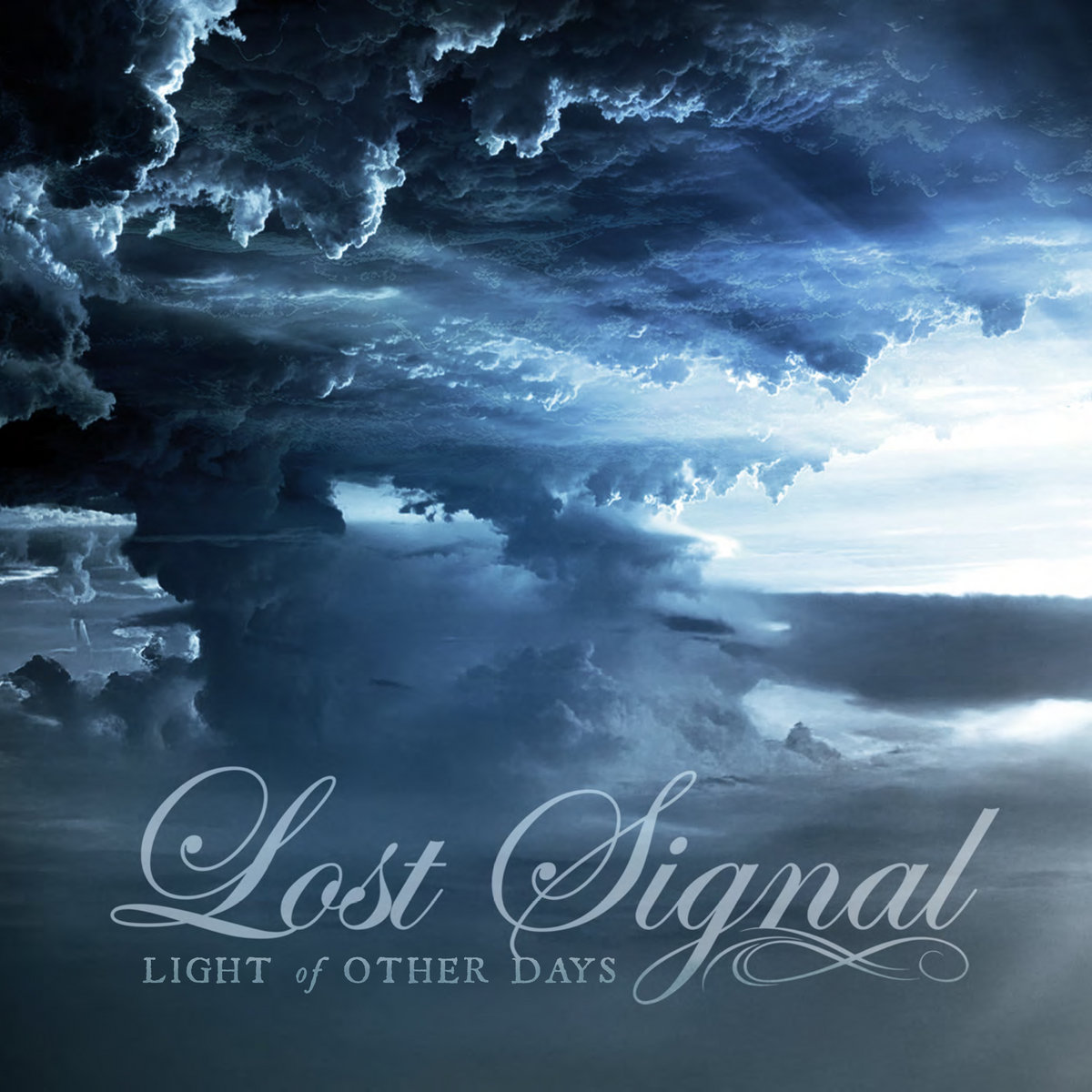
Lost Signal
Light Of Other Days
Metropolis Records
When Charles Rehill’s Lost Signal project first emerged back in the early 2000s, it set itself apart from the dominant sound of the era by way of mood; where the futurepop movement it was lumped into was broadly hopeful in tone, Lost Signal’s material was pensive and mournful. Since reactivating Lost Signal, Rehill has run with that more solemn and reflective outlook, not just in terms of lyrics and emotions, but in the structures of his songs themselves.
To that end, Light of Other Days is a record that is largely disinterested in the dancefloor than it is in providing an outlet for Rehill’s own feelings, which lean towards the wistful at their most positive, and downright depressive at their lowest. In effect, the record ends up being a collection of gloomy downtempo electropop numbers, albeit one that is often lovely in execution. The vocals in particular have a plaintive and sincere tone to them, where he can deliver lines like “Sometimes I wonder why I even try to keep on breathing” from “Not the End of Me” without coming across as overly dramatic, a match for the simple arrangement of glitchy percussion, piano and strings.
Importantly, Rehill manages to avoid the pitfall of the record becoming a dismal experience by tossing in some variety into his song structures. The little bits of hope that break through his overcast outlook on “Fate” are a match for the song’s busy drum and synth programming, not quite clubbable, but neither lacking in momentum or energy. The album’s biggest triumph comes in the form of “Building Memories”, where subtle touches of programming meet larger orchestral swells, dropping away to allow room for his voice to take the spotlight before slow-moving pads take the song to its emotional conclusion.
Light of Other Days isn’t a fun record to spend time with by any stretch of the imagination, and it’d be a stretch to describe it in any terms other than, well, sad. Despite that, and the occasional sense of repetition in some of the melodies and vocal lines (compare “Entropy” to “Before Today”), there’s a kind of fortitude in sticking to Lost Signal’s remit that is hard not to admire, and in the right moment it can offer some cathartic melancholy.