Dead Voices On Air
mothcomma
Re:Mission Entertainment
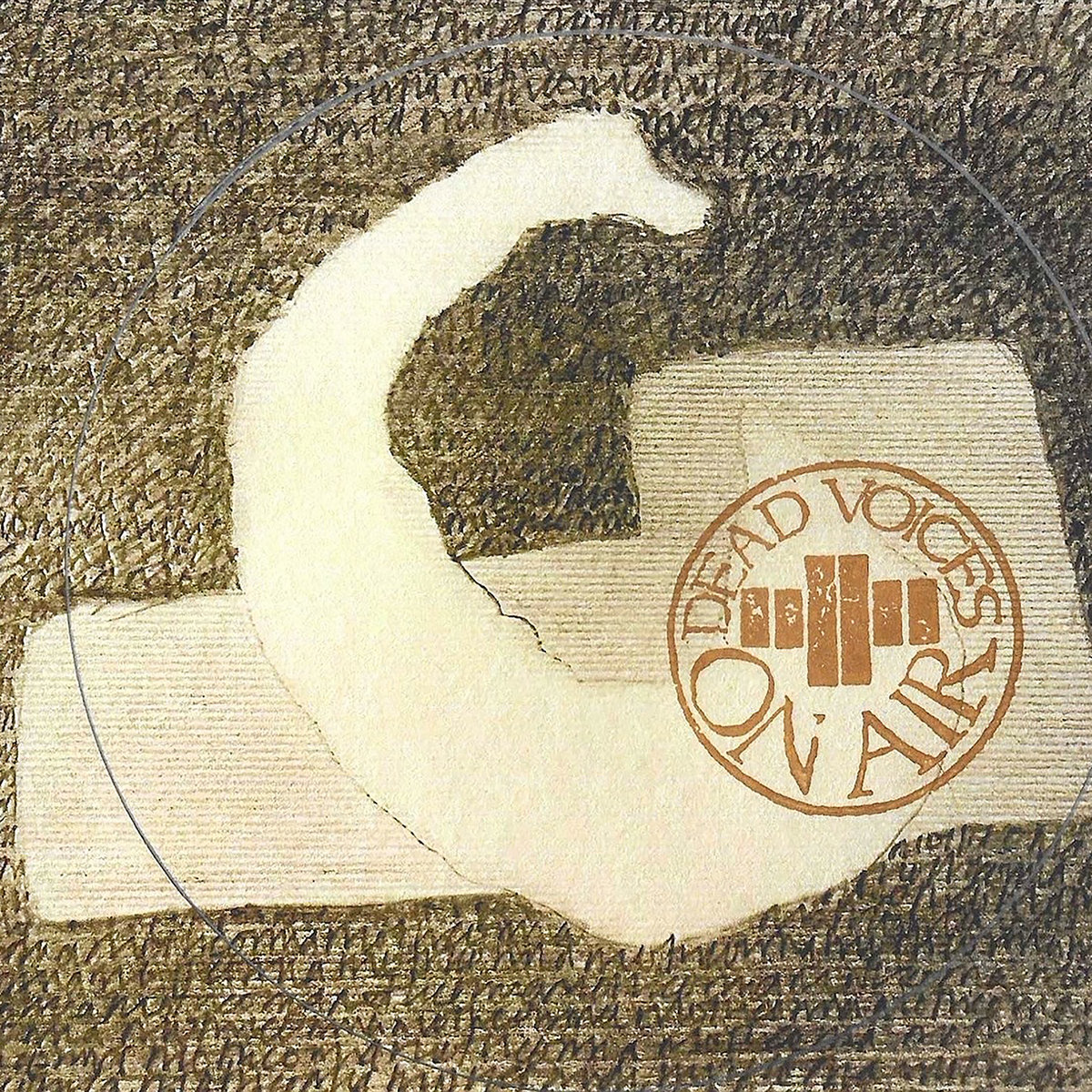
The flurry of releases from Mark Spybey’s well-tenured Dead Voices On Air over the last fifteen or so years has been at times difficult to keep up with at a micro level, yet on the macro level has given a clear and detailed picture of the UK experimentalist’s overarching aesthetic directions. On the heels of a run of grand, lushly harmonic ambient records came a slew of archival releases and idiosyncratic collaborations with the likes of Nathan Jamiel, Snowbeasts, and Graham Lewis. With a new base of operations in tandem with Re:Mission and a re-collated back catalog, Spybey seems rejuvenated and ready to embark on a new phase in his career, heralded by the release of mothcomma.
While the promo copy for mothcomma heralds it as “another step forward”, from an outsider’s perspective it’s hard to not be dizzied by the bird’s eye view it offers at the sweeping and scattered climes which Spybey has sojourned over the past four decades. The fine details of texture and timbre in any one individual piece draw you in, but be hypnotized for a moment too long and you miss how much terrain is being covered in a short run of time. “Davenport”‘s arcadian blend of horns, chorale, and shoegaze segues into the psychedelic downtempo of “Kembali”, in which each echoing snare or strummed chord sends stoned shivers up the spine, before the pure dub of “Mallowman” drags things down as slow and dark as molasses.
Other transitions feel much more abrupt, such as that between the insistent, tinny percussive clatter of “Another Tormentor In Bloom” – which reaffirms the links between Can’s focus on rhythmic experimentation and the first waves of industrial in a tight, frenetic package – and the thirteen minute drift of “Eye Exhaust”. Therein, the layers of sampled broadcasts, nostalgic melodies, and pure drone which pass over one another like panes of translucent stained glass remind us that Dead Voices On Air’s name and sound had zeroed in on the hauntological potential of experimental music decades before critics saw the connection between Derrida’s theories and historical melancholy in music.
In someone else’s hands a record with this much range might feel scattered or inconsistent, but Spybey imbues each piece with a well-earned sense of confidence. Even if you’re only familiar enough to alight upon one or two spots on Dead Voices On Air’s huge tracts of land you’ll soon be carried over to new neighbouring locales. Don’t worry, though; Mark’ll show you around. He knows his way.