Black Dahlia
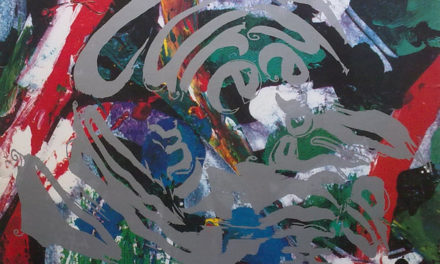
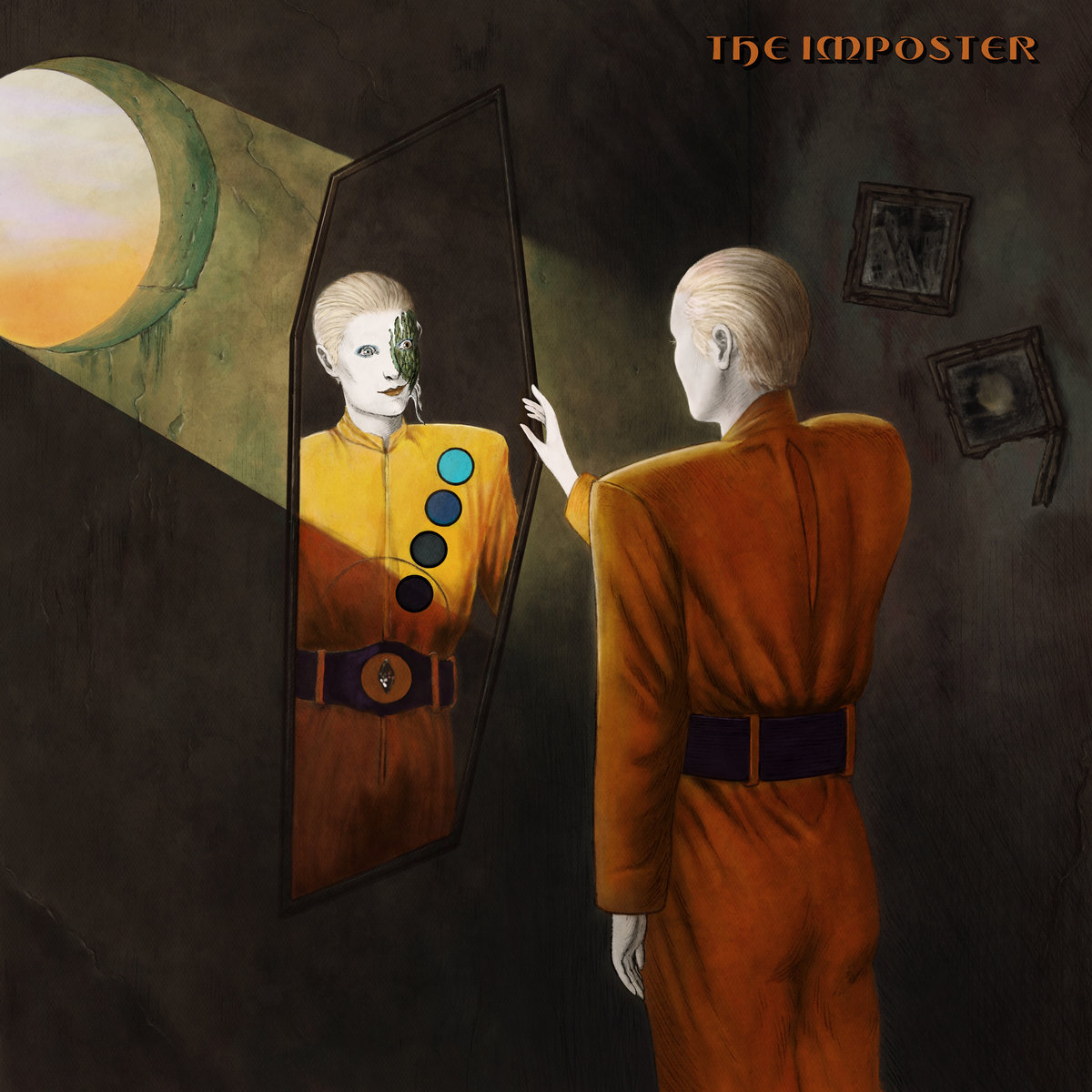
The Imposter
School of Dahlia
Tracking Black Dahlia’s artistic journey from when they first came to our attention via a gross of instrumental techno-industrial heaters in the early 2020s to the release of this year’s The Imposter, a vocally-focused concept record, is less difficult than you might imagine. That’s probably due to the fact that the Australian ex-pat now residing in London was always a master of the unexpected, be it unusual gear shifts in dance tracks, or forays into the world of classic dark electro, we’ve never really known what they might do next. Still, it’s hard not to feel that their current mode of genuinely lovely (if still strange) art-pop isn’t the most unique and compelling place the project has lighted on since its inception.
Following on from the sound of the excellent 2024 singles “Bodyguard” and “Pulcinella Pegasi”, the sound of The Imposter is a mix of synth experimentalism that lands squarely between the auteur new wave of early Peter Gabriel or Lene Lovich, and modern takes on oddball synthpop. Themed around the titular character’s journey as they depart from paradise (as detailed on the opening track of the same name), and through worlds and experiences both surreal and relatable, there’s certainly a lot of continuity between how each track is performed and arranged, and its relationship with the whole. Putting the kosmiche synth instrumental “The Arrival”, with its assembly of synth sweeps and low drones, serves to illustrate the arrival of The Imposter into a larger and more hostile universe. It’s a table setter that allows the minimal cod-italo of “On the Run” to seem both menacing and alienated, octave bass and twinkling synths serving as a bed for Black Dahlia to comment on the protagonist in both first and third person in a musical warble that charms as much as it confuses.
That uneasiness born from the record’s stream of consciousness delivery and its strong rhythmic and melodic foundation is an important aspect of its appeal. There’s probably a modern darkwave club track somewhere in the component parts of “Amphibian Man”, but the croaking delivery of its chorus and spoken interlude give the efficient FM bass and spiky arps a more proggy feel that they might otherwise have. Black Dahlia’s commitment to vocal theatricality might be off-putting if it wasn’t so totally sincere and committed; the absolutely straight-faced way that the lyrics to “School of Dahlia” are delivered (sample: “If ponies were the size of spiders, would you squish ’em?”) contrasts with the sing-songy broken german of “Can You Speak English?” in ways that have a hint of the arch, but are devoid of irony.
Trying to draw a bead on The Imposter as a complete experience proves somewhat vexing, in the best way. Halfway through the second listen this reviewer had constructed a metaphorical framework around the album as a story of the artist’s wanderlust driven departure from the familiar and supportive underground into a larger and more confounding world, only to have that feel too pat, too rote when contemplating the lovely and mournful heartbreak of closer “The Truth”. Whether or not you can find your own satisfying take on the album’s arc with any degree of satisfaction, the fact that it prompts you to try can’t be overlooked. The world Black Dahlia builds through strength of songwriting and performance is vast and inviting; you may not find resolution in the journey with it, but that won’t discourage you from trying. Recommended.