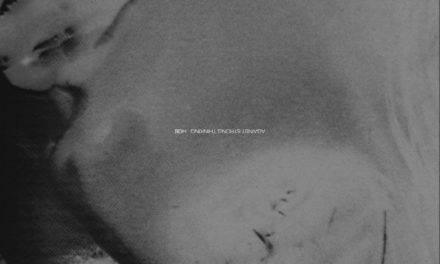

Flint Glass & Ah Cama-Sotz
The Shadow Of The Torturer
Ant-Zen
From Lovecraft to obscure Christian rites to indigenous spirituality, Flint Glass’ Gwenn Tremorin and Ah Cama-Sotz’s Herman Klapholz have never balked at integrating ambitious themes into their solo and collaborative material. Their second LP together finds the French and Belgian producers tackling one of the most perplexing and meta-textual works in the pantheons of science fiction and fantasy, Gene Wolfe’s The Book Of The New Sun, though one doesn’t need to be an initiate of that labyrinthine text to appreciate the duo’s cinematic craft.
Wolfe’s work slowly traces the history of a dwindling Earth marked by a cooling sun and overlapping palimpsests of legend and prophecy, both historical and futuristic. Like Dune (which has itself inspired countless instrumental electronic works) it’s a text whose setting is as intriguing as any of its plots or characters, and that focus on place and mood plays in Tremorin and Klaphoz’s favour as they lay out a suite of instrumental works which stake out ambient moods before developing drama via filigreed reapplications of their pedigrees in rhythmic and tribal industrial.
The “dark ambient” term doesn’t quite circumscribe The Shadow Of The Torturer‘s overriding aesthetic (some sort of “cinematic downtempo” portmanteau might be a better fit there), though the interplay between submerged clicks and metallic chimes which skim through “Biological Vestiges” as if echoing across a subterranean lake does suit that genre. Still, The Shadow Of The Torturer doesn’t stay sedate for long. While Tremorin’s work as half of Tzolk’in and this duo’s preceding Wakan Tanka LP worked a lot of rhythmic mileage out of the interplay between various forms of hand-drumming, there’s something much more frenetic and strident in the neo-classical martial percussion of “The Tapestry Of Healing” (a bit of a thematic clash with the title, but little is as it appears in The Book Of The New Sun).
By the record’s close, distant operatic vocals point to the hope seemingly represented by the titular New Sun, but even those moments of apparent hope are obscured as in the novel, here with flitting percussion and buzzes which chains the freedom of the human voice to processes and traditions older than anyone who can remember their origin. Wolfe’s work is a decadent garden of beauty, cruelty, and deception all intertwining, and each of the elements in Tremorin and Klapholz’s work bleed into one another just as cagily.